
Find Texas Deed Records
Texas deed records are public documents filed with the county clerk in the county where the property sits. They show who owns land, how title passed from one party to the next, and when each transfer was recorded. You can search deed records in Texas through individual county clerk portals, the Texas General Land Office, or commercial platforms like TexasFile. Each of the state's 254 counties maintains its own records going back to the county's founding. Whether you need a recent warranty deed or want to trace an old chain of title, the county clerk's office is where you start.
Texas Deed Records at a Glance
How Texas Deed Records Work
The Texas Property Code sets the rules for recording real property instruments. Under Section 11.001, any conveyance of real property or instrument that may affect title must be filed with the county clerk in the county where the land sits. That requirement covers warranty deeds, quitclaim deeds, deeds of trust, easements, and most other documents that transfer or encumber property. Once filed, the clerk stamps, scans, and indexes the document. After that point it becomes part of the public chain of title and is open to inspection by anyone.
Texas uses a grantor-grantee index system. Each county clerk keeps two running alphabetical lists: one sorted by the person giving up the property (grantor) and one by the person receiving it (grantee). Both lists are organized by last name and grouped by recording date. Older county index volumes were handwritten. Most counties today run computerized systems that hold both index data and scanned document images.
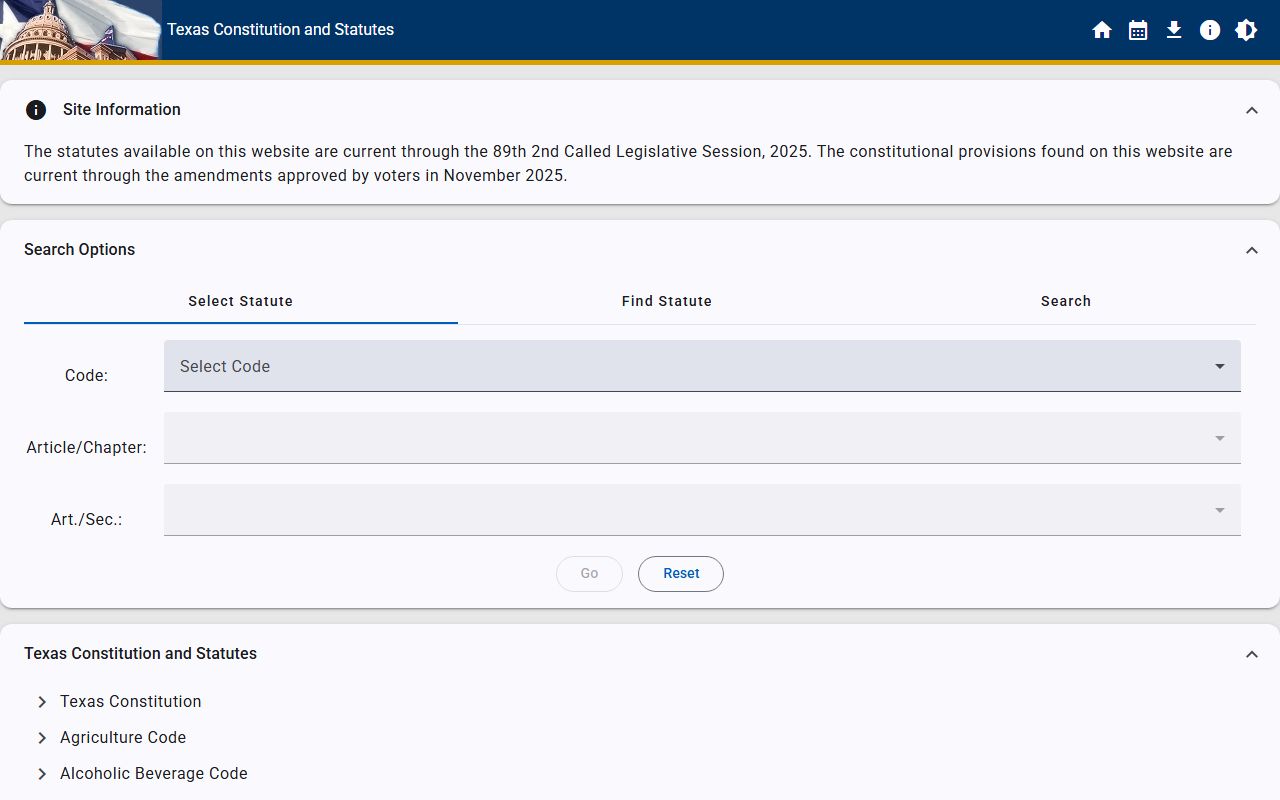
The Texas Constitution and Statutes website has the full text of the Property Code. Chapters 11, 12, and 13 cover filing requirements, acknowledgment rules, and what happens when a deed is not recorded on time. You can search by chapter number or keyword. The site updates as laws change and works on mobile devices.
Recording is not required for a deed to be valid between the parties. Title passes on execution and delivery. But recording protects the buyer. An unrecorded deed can be defeated by a later buyer who pays fair value and has no notice of the earlier transfer. That risk makes recording the practical and necessary step after any property sale in Texas.
The Texas Constitution and Statutes website contains Property Code chapters 11 through 13, which govern deed recording requirements across all 254 Texas counties, including filing procedures, acknowledgment standards, and notice doctrine.
Types of Texas Deed Records
Texas county clerks record several types of property instruments. Each type serves a different role in the chain of title. A general warranty deed is the strongest form of conveyance. The seller guarantees the title all the way back through the entire history of ownership, not just from the time the seller held it. Most home sales use a general warranty deed, and title companies typically require one for insuring residential transactions.
A special warranty deed limits the seller's promise to the period of their ownership only. Banks and government entities use these when selling property acquired through default or foreclosure. The buyer gets some protection, but it covers only what happened while that specific seller owned the land. It does not cover earlier title problems.
A quitclaim deed makes no promises at all. It transfers whatever interest the grantor holds, with no warranty about what that interest actually is. Quitclaim deeds appear in family transfers, divorce settlements, and cases where the goal is to clear a potential cloud on title without making any representation about what the deed conveys.
A deed of trust is a security instrument, not a conveyance deed. Texas lenders use deeds of trust instead of mortgages. When you borrow money to buy real estate here, you sign a deed of trust that gives a trustee the legal power to sell the property if you default on the loan. The deed of trust gets recorded just like a regular deed and becomes part of the public record. When you pay off the loan, a release of lien or a deed of release gets recorded to show the debt is gone.
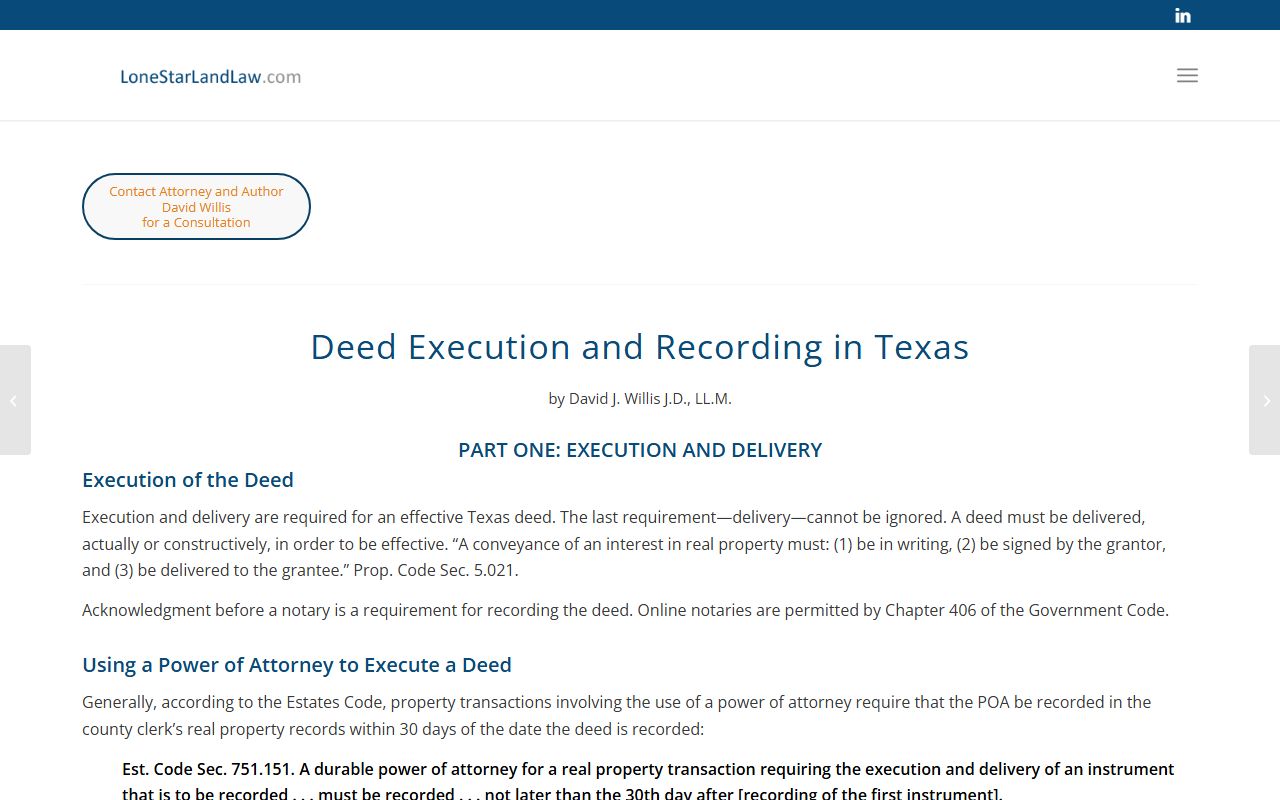
Under Property Code Section 5.021, five elements must be present for a valid Texas deed: a written instrument, the grantor's signature, the grantee's name, a legal description of the property, and delivery with acceptance by the grantee.
The guide at lonestarlandlaw.com explains Texas deed execution and recording requirements under the Property Code, covering how delivery and acknowledgment affect the chain of title.
How to Search Texas Deed Records
Most Texas counties offer at least two ways to search deed records: online through a county clerk portal and in person at the courthouse. Larger counties like Harris, Bexar, Dallas, and Tarrant have public search portals you can use for free and without creating an account. Smaller counties may only offer in-person index searches at the clerk's office window. Call ahead if you are not sure what is available.
When you search online at a county portal, you can typically look up by grantor name, grantee name, or document number. Results show the recording date, document type, book and page reference, and often a scanned image of the document. For copies, you usually pay a per-page fee. Certified copies cost more than plain ones. Each county sets its own copy fees within state guidelines.
The TexasFile commercial portal provides deed record access from multiple Texas counties in one platform, with AI-powered search tools designed for legal professionals, title researchers, and landmen working across county lines.

For historical records going back to the earliest days of Texas, the Texas General Land Office holds archives from Spanish and Mexican land grants, the Republic of Texas era, and early statehood. If you are tracing title on older property or researching land grants from before Texas joined the union, the GLO is a necessary stop.
The official State of Texas portal at texas.gov links to county clerk resources, state agency databases, and other property record tools available across all 254 counties.

Recording Fees and Document Requirements
Texas sets recording fees in Local Government Code Section 118.011. The standard fee is $3 for the first page and $2 for each page after that. This rate applies in all 254 counties. There is no county option to charge higher rates for standard recording. The fee covers processing, indexing, and permanent document storage at the clerk's office.
Documents signed after 1981 must include the grantee's mailing address. If that address is missing, a $25 penalty gets added and recorded alongside the deed. The penalty does not void the instrument, but it creates a paper trail showing the original filing was deficient. Get the address on the deed before you present it for recording.
Each document must be properly acknowledged before a notary public or other authorized official. That acknowledgment certificate must meet the standards of Property Code Sections 12.001 and 12.002. All instruments must be in English. Documents in a foreign language require a certified English translation before the clerk will accept them. One exception: instruments executed before 1897 may remain in their original language.
eRecording is available in many Texas counties through vendors such as Simplifile and eRecording Partners Network. Electronic recording lets title companies, attorneys, and lenders submit deed documents digitally without a physical trip to the courthouse. Counties that participate post this information on their clerk websites.
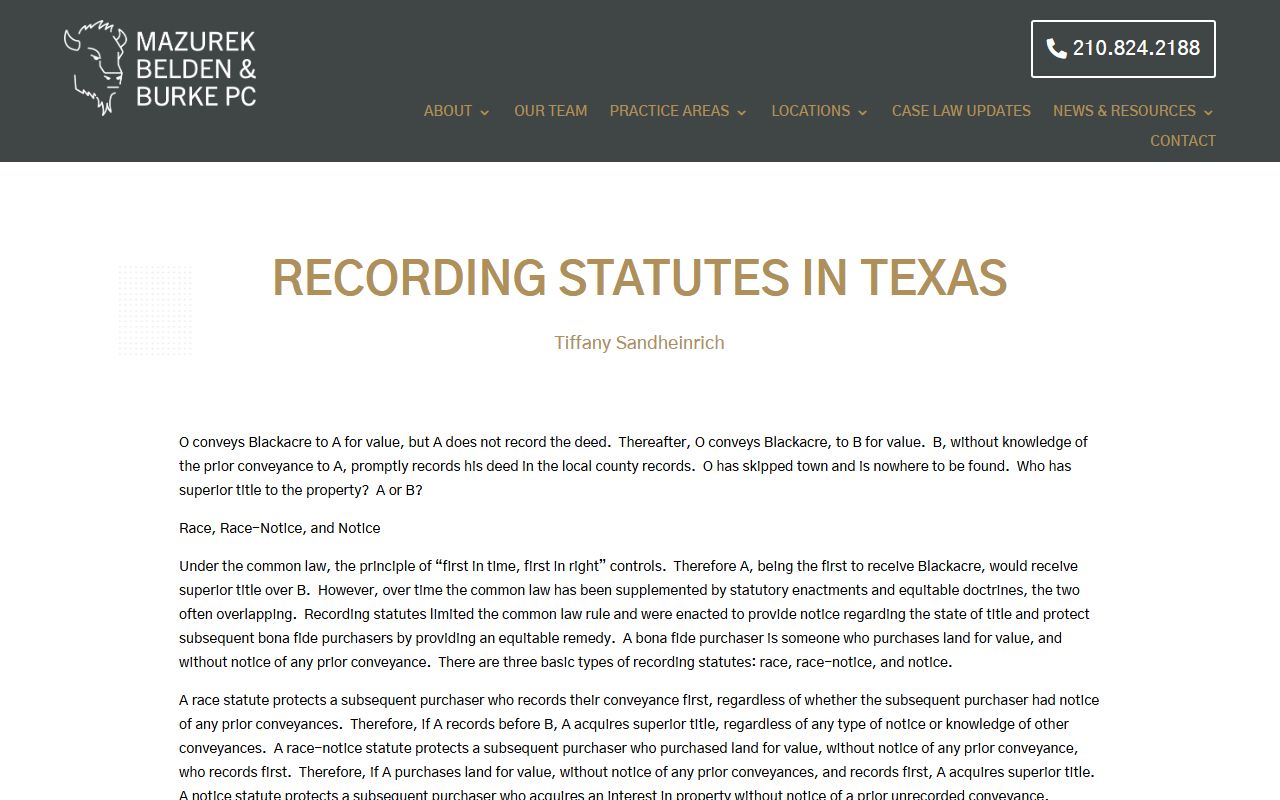
The guide at mbb-legal.com explains the Texas Recording Act under Section 13.001 of the Property Code, including how constructive notice and priority work in competing deed situations.
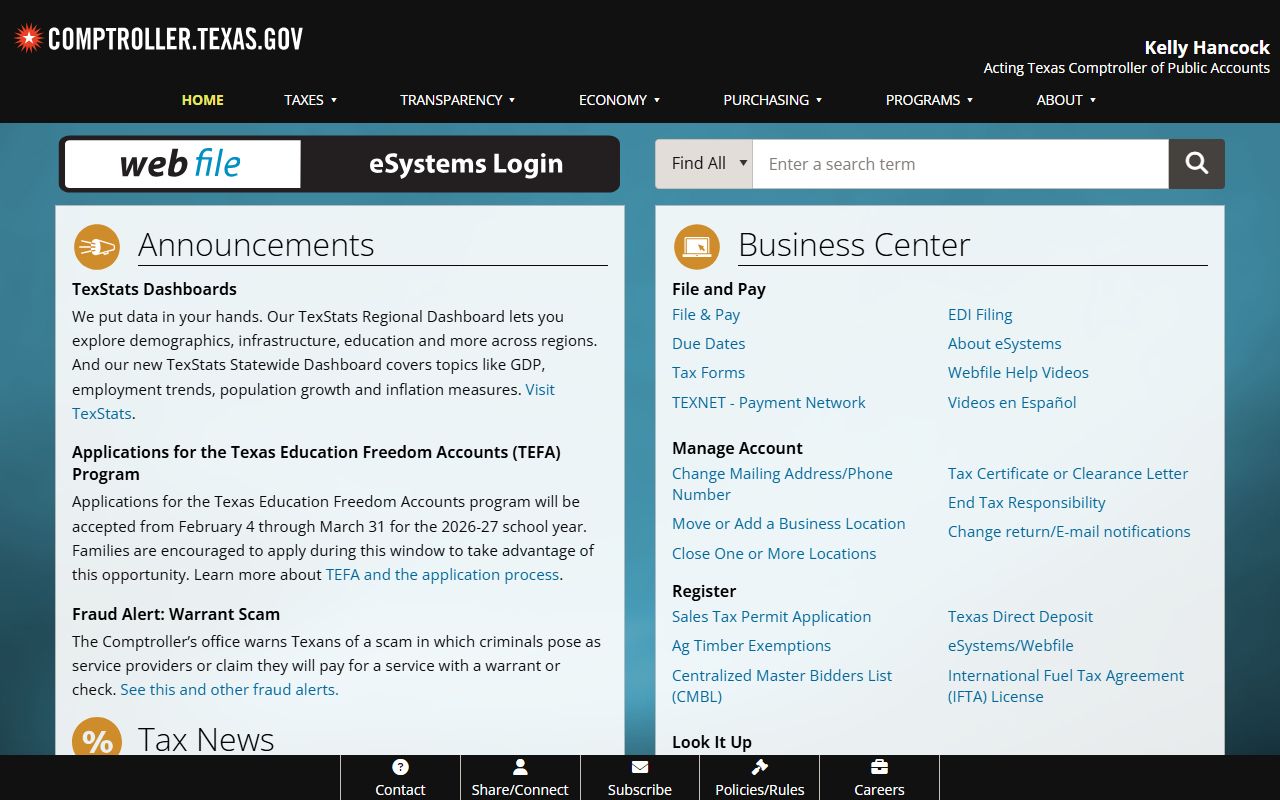
The Texas Comptroller of Public Accounts maintains property tax data that often reflects deed transfer information and publishes fraud alerts about property-related schemes affecting deed records across the state.
Texas Notice Statute and Deed Priority
Texas is a notice state under Property Code Section 13.001. An unrecorded conveyance is void as to creditors and to subsequent buyers who take without notice of the prior transfer. If you buy land and do not record your deed, and then someone else buys the same parcel from the same seller without knowing about your deal, that later buyer can prevail. Their clean recorded title defeats yours under the notice rule.
Notice comes in two forms. Actual notice means you personally knew about the prior deed before you bought. Constructive notice means the law treats you as knowing because the deed was on file in the public record. A deed filed with the county clerk gives constructive notice to everyone from the moment of filing, even before the clerk finishes indexing it. That is why prompt recording matters in Texas property deals.
The bona fide purchaser protection only applies to buyers who paid real consideration for the property. Gift deeds do not qualify. If you received land as a gift and a prior unrecorded deed then surfaces, you cannot claim bona fide purchaser status to defeat that earlier transfer. The protection goes to people who paid fair value and had no knowledge of the competing claim.
The analysis at silblawfirm.com walks through how the Texas recording statute works in practice, including constructive notice doctrine and what qualifies someone as a bona fide purchaser under Property Code Section 13.001.
Note: Filing a deed in the wrong county has no legal effect under Section 13.003. If the land is in Smith County but you file in Gregg County, that filing gives no constructive notice. You must re-file in the correct county. If the property spans county lines, record in both.
Texas Property and Deed Record Resources
Several Texas agencies and organizations maintain resources that support deed record research across the state.
The Texas General Land Office holds historical land records going back to Spanish colonial grants. Its archives include Republic of Texas era documents, original survey notes, and early plats covering the state's founding period. Commissioner Dawn Buckingham leads the GLO today. For tracing deep chains of title on older Texas property, the GLO is the primary source and often the only place these early records survive.
The Texas General Land Office preserves historical land grants, Spanish colonial records, and survey notes going back to the Republic of Texas era, making it essential for deep title research on older Texas properties.

The Texas Land Title Association is the statewide trade organization for title agents and underwriters. TLTA tracks changes to recording law, sets professional standards for title examination, and keeps members current on state and federal requirements affecting real property transactions. The organization also monitors FinCEN reporting rules and other federal developments that touch the deed recording process.
The Texas Land Title Association represents title professionals who handle deed record examination and title clearance for property transactions across all 254 Texas counties.

The Texas Secretary of State maintains business entity records and UCC filings that can affect property titles. When a deed involves a corporation, LLC, or partnership rather than an individual, the SOS database helps confirm the entity exists and is authorized to convey. Notary commissions are verified through the Secretary of State as well, which matters when reviewing the acknowledgment on an older deed.
The Texas Secretary of State maintains business entity records and UCC filings that can affect real property titles when corporate grantors or grantees are involved in deed transactions.

The Texas Association of Counties represents all 254 Texas counties and provides training, legal resources, and operational support for county clerks. County clerks are the front-line custodians of deed records in every county. TAC helps them maintain accurate indexes, comply with state recording requirements, and handle changes in technology and law.
The Texas Association of Counties supports all 254 county governments and provides clerks with training and resources to maintain accurate, compliant deed record systems statewide.
Browse Texas Deed Records by County
Each of Texas's 254 counties has its own county clerk who handles deed recording and maintains the local property index. Select a county below to find contact details, recording procedures, and resources specific to that area.
Texas Deed Records by City
City residents record deeds at the county clerk's office in their county. Pick a city below to find local deed record resources, the right courthouse, and what to expect when filing or searching in that area.